Leopard & Cheetah Print Patterns: Choosing and Using Animal Prints the Right Way
Animal prints remain a powerful design element across fashion, home decor, and digital crafts. Among the most popular are leopard and cheetah print patterns, which bring a bold, wild aesthetic to a wide range of creative projects. Whether you're designing wall stickers, mugs, or digital art, these patterns offer versatility and visual impact. However, many creators and small business owners overlook key details when selecting or applying these patterns, which can lead to disappointing results.
Understanding Leopard and Cheetah Print Patterns
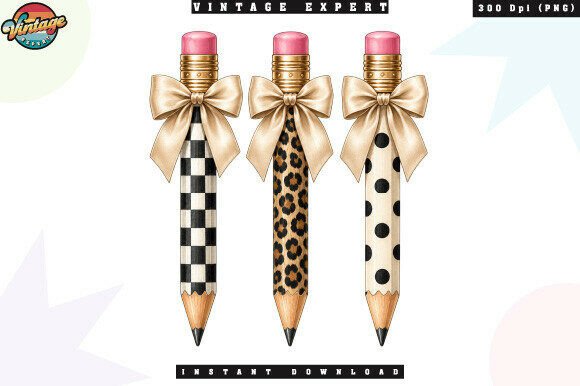
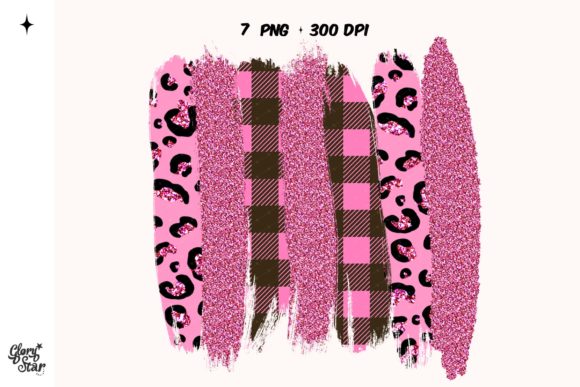
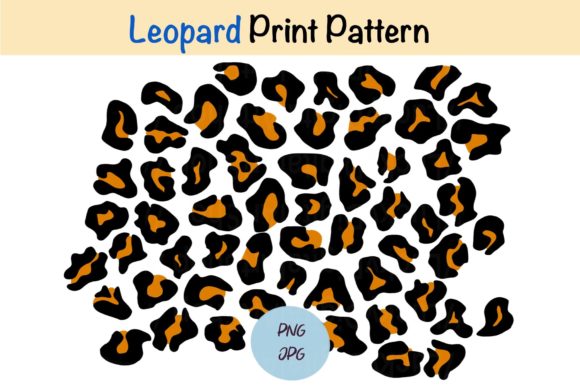
Leopard and cheetah print patterns are types of animal prints, each with distinct characteristics. Leopard features circular rosettes with solid spots inside, while cheetah has solid, evenly spaced black spots on a lighter background. These patterns are often offered as digital downloads in file formats like PNG and JPG at 300 dpi, making them suitable for printing, cutting, and crafting. They are especially popular among makers who use them for stencils, stickers, and home decor items.
When properly used, these patterns elevate the look of your projects. But when misused, they can look cheap, unprofessional, or out of place. Understanding how to choose and apply them correctly is essential for achieving a polished outcome.
Common Mistakes When Using Leopard and Cheetah Print Patterns
Many users jump into downloading and applying animal print patterns without considering the practical aspects. Here are some common pitfalls and how to avoid them:
1. Choosing Low-Quality Files
One of the biggest mistakes is downloading files that aren't high resolution. Leopard and cheetah print patterns are intricate, and if the image quality is poor, the details get lost when printed or resized. Always check for a resolution of at least 300 dpi, especially for physical products like mugs or wall stickers. A PNG file with a transparent background is ideal for layering and cutting applications, while a JPG is suitable for print-only uses.
2. Ignoring Scale and Proportion
Animal prints can quickly overwhelm a design if not scaled correctly. A large-scale leopard print might look great on a throw pillow but could be too bold for a small sticker or phone case. Before applying a pattern, preview it at the intended size to ensure it complements rather than dominates the design.
3. Using the Wrong File Type for the Project
Using a JPG file for a project that requires transparency or cutting can cause issues. For example, if you're using a Cricut or Silhouette machine to cut a leopard print for a stencil or sticker, a PNG with a transparent background is essential. A JPG won’t allow you to remove the background easily, which can complicate your workflow and reduce precision.
4. Overlooking Color Compatibility
Animal prints come in a variety of color schemes. While classic leopard is black and tan, modern variations include pink, blue, or monochrome versions. It's important to check how the colors interact with the rest of your design. A mismatched palette can make your project look disjointed. Always test the pattern in your design software before finalizing your layout.
5. Not Considering Licensing and Usage Rights
Many digital download sites offer leopard and cheetah print patterns for personal use, but not always for commercial purposes. If you're planning to sell items made with these patterns, make sure the file you're using includes commercial rights. Failing to do so can lead to legal issues or unexpected costs down the line.
How to Choose the Right Leopard or Cheetah Print Pattern
Before downloading or purchasing, consider the following factors to ensure you're getting the right pattern for your project:
- Resolution: Look for 300 dpi files for print and high-quality digital use.
- File Types: Choose a package that includes both PNG (for transparency and cutting) and JPG (for print-only) formats.
- Color Options: Select a color scheme that complements your project or can be edited in design software.
- Scale: Preview the pattern at actual size to ensure it fits your intended use.
- Usage Rights: Confirm whether the file allows for personal or commercial use.
Better Approaches to Using Animal Print Patterns
Here are some practical tips to make the most of leopard and cheetah print patterns in your creative work:
- Test with Mockups: Use digital mockups to see how a pattern will look on a finished product before printing or cutting.
- Adjust Contrast: If the pattern looks washed out, try adjusting the contrast in your editing software to enhance clarity.
- Layer with Solid Colors: Balance bold animal prints by pairing them with neutral or solid backgrounds.
- Use for Accent Pieces: Animal prints work best as focal points or accents rather than all-over designs, especially in home decor or clothing.
- Customize: Some design software allows you to recolor patterns, giving you more flexibility without needing multiple downloads.
Final Thoughts
Leopard and cheetah print patterns are versatile tools in the creative world, offering a dynamic and stylish edge to a variety of projects. Whether you're crafting wall stickers, custom mugs, or digital art, the key to success lies in choosing high-quality files, understanding your project needs, and applying the patterns thoughtfully. By avoiding common mistakes and following practical guidelines, you'll ensure your work stands out for all the right reasons—without compromising quality or professionalism.